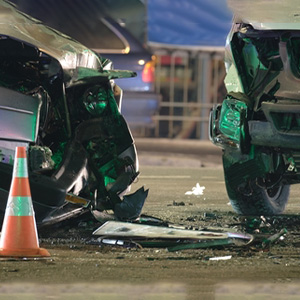
Chapter 1: More Than A Fender Bender
How A Seemingly Minor Injury Can Be Life-Altering
It’s not uncommon to experience soreness immediately after an auto wreck. But you’re not a neurosurgeon, and you won’t know exactly what is wrong. So, you take an Advil or two, and carry on. But after the adrenaline wears off, after you start taking stock of how the incident has changed you, you may head in for an appointment that gives you startling news.
What does this look like? I’ve seen clients dismiss their post-incident pain, refuse transportation to the hospital, see their doctor once, and never follow up on anything. Three months later, they learn they need neck surgery. A seemingly minor injury has ultimately been life-changing.
The reality is, after a serious car wreck, you don’t know what you don’t know. And the more damaging the car wreck was, the more debilitating your injuries are likely to be.
Common catastrophic injury types include multiple fractures, compound fractures, spinal damage, nerve damage, and traumatic brain injuries. This last type of injury can be difficult to diagnose immediately, but the right documentation and imaging can help verify a traumatic brain injury, as well.
The Types Of “Invisible Injuries” People Often Overlook
Unlike cuts, bruises, or broken bones, an invisible injury isn’t visible to the naked eye and won’t show up on X-rays, either. These invisible injuries typically include nerve damage and traumatic brain injuries. Hidden injuries can still derail your life and cause trouble processing thoughts, mood swings, or depression.
This is why it’s crucial to document your symptoms after a car wreck. Keep a dated journal of symptoms or issues, and be forthcoming with your doctor about any problems you’re noticing. Trouble thinking clearly, memory issues, and changes to your mood after a car wreck can all be signs of a serious, invisible injury.
Tell your doctor everything; this can help them request the correct diagnostic testing to determine if you’re suffering from an invisible injury.

Attorney Shawn Gozarkhah is a hard-working, caring personal injury attorney serving California. Since 2012, he’s helped injured clients just like you regain dignity and find answers after a serious auto wreck causes harm.
Have questions, or in need of effective legal guidance? Reach out to The Law Man Group, APC for an initial consultation today.
Impacts On Your Ability To Work And Support Your Family
Your car wreck injuries will likely impact your ability to do your job in significant ways. If you professionally clean pools and have suffered a broken arm, you won’t be able to work for a while. The same is true if you’re an auto mechanic or warehouse worker.
Invisible injuries can cause serious problems, too. Cognitive issues, vision problems, and headaches can make white-collar work difficult. I’ve had clients who were forensic accountants complain that the numbers they were viewing had begun blurring together after the incident, or that they kept losing their place as they counted. The injury forced them to reinvent the wheel on certain tasks they were formerly able to complete on autopilot.
Invisible injuries can be tough to diagnose, tough to treat, and tough to impress upon an insurance provider. But if you know and trust the attorney and doctors you’ve surrounded yourself with, you’ll be in a much better position to secure the medical and legal help you need.
The Reality Of Recovery Time
This is likely your first time enduring an auto incident. You may not know what to expect, which questions to ask, or how diagnostic testing will relate to your injuries. Keep in mind that the road ahead will be a process. It will be a legal process as well as a physical healing process.
On the physical healing side, the goal is not physical perfection or being exactly as you were pre-incident. It’s about taking those steps, taking care of yourself, and getting as close to your pre-incident condition as possible without feeling overwhelmed. You may need to re-learn how to use a spoon, walk, or take a bath independently. That’s alright; take your physical recovery one step at a time, and trust your attorney to seek the maximum damages possible for your injuries.
And if the legal process seems slow, remember: you’re not alone. You’re in good company, and as your attorney, I’ll help you navigate the legal system ahead. Within this process, you will have to actually prove your injuries; unfortunately, you won’t come to a resolution simply because you ask nicely. Still, your legal team will make sure that everything’s documented and that your case is presented in such a way to clearly show who was at fault for your wreck and how it has impacted you.
It’s not a quick process, but sticking with it is important. Remember, this process will allow you to come to a resolution that you can live with and that fairly compensates you for your time, losses, and heartache.
Attorney Shawn Gozarkhah is a hard-working, caring personal injury attorney serving California. Since 2012, he’s helped injured clients just like you regain dignity and find answers after a serious auto wreck causes harm.
Have questions, or in need of effective legal guidance? Reach out to The Law Man Group, APC for an initial consultation today.
Chapter 2: Stories Of Recovery And Results
How I’ve Helped Clients Who Are Unsure Of Their Next Steps
In many cases, clients don’t understand the nature of their injuries. I’ve had clients in wrecks where every car is totaled. They’re transported from the scene in an ambulance. Their injuries are severe, but all they can think of is, “I have a family. I have responsibilities. Who’s going to pay for all this, anyway?”
So, they check themselves out of the hospital early. They might refuse to see their primary care physician or refuse to ask for help. This technically gets them home quicker, but once they’re home, they’re not themselves.
Slowly, once the adrenaline wears off, it becomes clear that their life has changed. Now, they’re trying to pick up the pieces and are working backwards.
If you’re struggling with something similar, I’ll step in and help alleviate some of that stress. If you have 30 balls in the air that you’re juggling, I’ll grab several of those for you by putting you in touch with quality medical specialists or helping you deal with bill collectors until you settle your claim. Now, your main focus can rest on your treatment and healing.
In many cases, clients will misjudge or misdiagnose their own injuries or downplay their pain in an attempt to get back to normal as quickly as possible. They may be unsure who to reach out to or what to do if a police report claims they were at fault for an incident.
Remember, just because a police report claims you’re at fault doesn’t mean there’s no way forward. And if the person who hit you is underinsured, it’s not the end of the road, either. There are always things that you, as a victim, won’t be aware of and don’t know to ask about.
This is why a consultation with an experienced personal injury attorney is so important. I’ve seen these cases again and again. I know which evidence to gather, the avenues to seek out, and how to help you build the strongest case possible. There’s no need to feel stuck or overwhelmed; reach out, and get the legal help you need.
The Difference An Attorney’s Guidance Makes
I’ve seen cases where an insurance company got a wreck victim to sign a release form for a mere $500 to cover future X-rays or urgent care visits. This person later came to me when they realized their injuries weren’t healing properly and seemed beyond the scope of an X-ray. These insurance companies are very smart, very well-funded, and they know what they’re doing. Never sign or agree to anything without speaking to an attorney first.
I’ve seen cases like this before, and I also know that certain legal terms and clauses need to be present in these releases for them to be enforceable. I’ll work to challenge unfair release forms and seek out any possible routes for more appropriate compensation, such as advanced payment or a future settlement.
If your case feels complex, unfair, or if an attorney you’ve already hired has stopped communicating about your case, come see me. I can give your case the attention it deserves to help you seek full value in the most expedient timeframe possible.
Remember : Insurance Companies Don’t Know You
The insurance company, their representatives, the insurance adjuster, and the attorney they hire… none of these people live with you. They don’t know what you go through every day. They don’t know that your wreck has left you unable to get dressed without help or understand how your invisible injuries have impacted your family life.
A good lawyer will be able to impress these issues upon them and bring in a needed human aspect to your case. Even if the needle doesn’t move in the pre-litigation world, a jury can readily understand these impacts and put a number on them.
I’ve even hired companies to film my clients’ day-to-day activities to help the insurance company see the extent of their injuries, their impacts, and how the wreck has truly changed their lives. This type of visual evidence can really get the other side to pay attention, step up, and do the right thing.
What You Won’t Realize Until You’re In The Middle Of It
A car wreck has so many different aspects. There are countless issues that could emerge that touch every aspect of your claim. For example, there could be damage to your vehicle that isn’t repaired correctly, and you discover this weeks or months after you get your ride back. My law firm can help redirect back to the people who were supposed to fix things correctly the first time.
Another complex issue involves how to correctly describe pain. Many clients don’t know to share with a doctor that pain begins in their neck and shoots down their arms and fingers. If asked where they feel pain, they may simply respond, “I have neck pain”, without providing the detail that the pain is radiating and impacting other body parts. The same can be said of back pain that shoots down your legs or causes numbness in your feet.
Surrounding yourself with the right people who know what to look for is key, and part of this process involves having a legal advocate who will go above and beyond.
What To Know About Having A Lawyer In Your Corner
The one thing I want you to realize after a car wreck is that you are not alone. Nowadays, there’s immense pressure to pick yourself up by your bootstraps, reject help, and take care of things on your own. But when it comes to catastrophic injuries, you won’t understand the pitfalls.
And while a good attorney won’t have all the answers right away, they’ll know the potential issues you could face, will know what questions to ask, and can direct you to the path of recovery.
That help in and of itself is priceless, and you should never reject an attorney’s help after a serious car wreck. Pick up the phone, call, and get the representation you deserve.
Attorney Shawn Gozarkhah is a hard-working, caring personal injury attorney serving California. Since 2012, he’s helped injured clients just like you regain dignity and find answers after a serious auto wreck causes harm.
Have questions, or in need of effective legal guidance? Reach out to The Law Man Group, APC for an initial consultation today.


