
In this article, you can discover… Types of mistakes that commonly appear in traffic collision reports. What to do if you discover inaccurate information in your traffic collision report. How a personal injury attorney can help when a report is inaccurate. What Types Of Mistakes Commonly Appear In Traffic Collision Reports? Police reports are not infallible documents and are written up by an officer who typically arrives after the collision has happened. The officer puts together their impression of what likely occurred based on third-party accounts, vehicle positions, and damage. For these reasons, mistakes in a traffic collision report can happen. Typical mistakes may include inaccuracies with regard to the direction of travel, points of impact, speed, whether or not there were injuries, and witness statements. Can An Insurance Company Rely On An Inaccurate Police Report When Evaluating Or Denying A Claim? While insurance companies…Read More
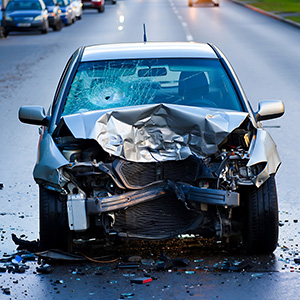
In this article, you can discover… What happens when someone borrows your car and is in a wreck. Who’s liable if the driver had their own insurance coverage. Whether you can sue the driver for costs you incur, and how an attorney can help. What Happens If Someone Borrowing My Car Causes A Crash In California? There are a lot of different ways an incident like that can play out. It really depends on the language used in your specific insurance policy with your specific insurance company. Most large insurance companies allow for permissive use, meaning that as long as the person had your knowledge and consent to borrow your vehicle, your insurance will cover them unless they’re excluded on your policy. However, other policies are much more restrictive and don’t allow for permissive use and will only cover the named insurer when they’re in…Read More
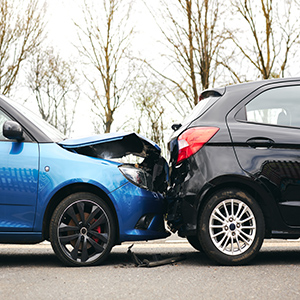
In this article, you can discover… Who is typically found to be at fault in a rear-end collision. Practical and legal steps to take immediately after being rear-ended. The types of damages you may be able to recover from a rear-end claim. Who Is Typically At Fault In A Rear-End Collision Under California Personal Injury Law? Rear-end collisions are the most common type of collision, not just in California but nationwide. Usually, the person who was rear-ended will be found to be not at fault, though that’s not always the case. For example, if a driver pulls out into traffic at the last minute and is rear-ended, there would certainly be grounds for investigation to determine their comparative negligence, even though their vehicle was damaged from behind. In contrast, if your vehicle has front-end damage exclusively, it can be much more difficult to determine that…Read More
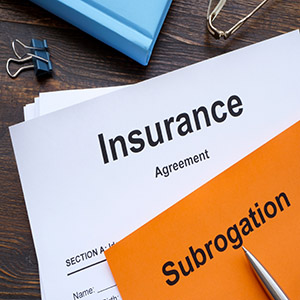
In this article, you can discover… What subrogation is, and how it relates to a personal injury case. How subrogation could impact your final settlement amount. Whether subrogation can be reduced with the help of an experienced attorney. What Is Subrogation In A California Personal Injury Case? Subrogation, in this case, refers to the process where the insurance company that paid for the brunt of your medical expenses or car repair expenses goes after the at-fault driver’s insurance (and, ultimately, any damages you are paid) to be compensated for those payments. Insurance companies will use their access to private databases to see if you have a personal injury case pending. Once they realize you’ve filed a claim, they’ll then force you to either deal with them through a lien, through direct reimbursement, or by getting their name on your settlement check (which would require you…Read More

In this article, you can discover… What qualifies as a pre-existing condition in a personal injury case. How insurance companies may try to leverage your medical history against you. Why it’s important to disclose prior injuries or conditions to your attorney. What Qualifies As A Pre-Existing Condition In A Personal Injury Case? In the auto injury world, a pre-existing condition is a condition or injury you suffered previously that impacted the same (or a nearby) body part that is now injured by the crash. For example, say you fell off a ladder two years ago, causing severe back pain. You later get rear-ended and now have more back pain as a result. Insurance companies will use pre-existing conditions to try to downplay or minimize the damage caused by your recent wreck. They might also bring in experts to try to argue that your recent wreck…Read More

In this article, you can discover… Who can be held liable for a construction zone car wreck. Whether pedestrians can file claims when injured in or near a construction zone. Deadlines and requirements to keep in mind when filing a claim against a California city. Who Can Be Held Liable For A Construction Zone Car Wreck In Los Angeles? There are often many things that can happen in a construction zone, and drivers are supposed to show greater care when driving through one. Very often, when two cars get into a wreck near a construction zone, speed is more likely to determine fault. For example, you could have some comparative negligence placed on you if you were driving too fast for conditions, even if the other party would have clearly been 100% at fault outside of a construction zone. If your vehicle was the only…Read More

In this article, you can discover… How insurance companies investigate social media during an injury claim. The types of social media posts that can hurt your claim. How to manage your social media activity if you have a claim pending. How Do Insurance Companies Investigate Social Media During Personal Injury Claims? Insurance companies have a lot of resources at their disposal, including social media canvassing. If you’re involved in an incident and are presenting a claim against an insurance company, you should assume that they will locate and review every social media presence that you have. Assume that they are actively monitoring your accounts as your case moves forward, as well. What Types Of Social Media Posts Can Hurt A Personal Injury Case? If you have a personal injury case pending, you don’t want to post anything on social media that you would not want…Read More

In this article, you can discover… What qualifies as a hit-and-run incident under California law. The importance of reporting your incident, even if the other driver flees. How to pursue compensation after a hit-and-run, and how an attorney can help. What Qualifies As A Hit-And-Run Incident Under California Law? The main elements we look for to determine whether an incident was a hit-and-run are contact with the other vehicle (or else contact with an item or debris from that vehicle), and the other driver not stopping to exchange information. For example, say you were driving behind a pickup truck hauling plywood, and a piece of that plywood comes loose and strikes your vehicle. The other driver begins to pull over, but then leaves the scene without exchanging information with you. This would count as a hit-and-run. How Does A Hit-And-Run Injury Claim Differ From A…Read More
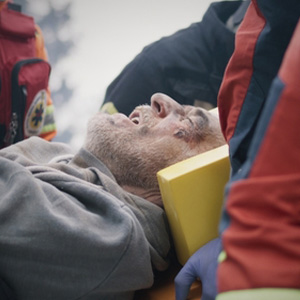
Chapter 7: From Injury To Stability Recovering from a catastrophic injury isn’t just about healing your body. It’s about rebuilding your life. And although fair compensation plays a major role in that process, it’s important to understand what fair really means. Fair compensation is one of those legal phrases that can sound abstract, but for someone living through a catastrophic injury, it has a very real meaning. At the most basic level, it means being able to cover your medical bills, both past and future. It means catching up financially after months or years of uncertainty. And it means having a safety net, that is, resources to support your continued care and give you stability if challenges arise again down the road. Money can’t take you back to who you were before the injury. It can’t undo the pain or restore lost time. But it…Read More

Chapter 5: Understanding The Different Types Of Compensation When someone suffers a catastrophic injury, understanding the types of compensation available can make all the difference in maximizing their personal injury case value. Once liability is clear, the next question becomes: what is this case worth? There are two main categories of damages: economic and non-economic. Economic Damages Economic damages are the financial losses that can be clearly measured. These include medical expenses—both past and future—as well as lost wages, diminished earning capacity, and out-of-pocket costs like transportation to medical appointments. These are numbers that can be documented through bills, receipts, or pay stubs. For example, if a person has already incurred medical bills or will need ongoing treatment in the future, those costs become part of the total recovery. Similarly, if the injury prevents someone from working temporarily or permanently, their lost income and future…Read More


