In this article, you can discover…
- Who is typically found to be at fault in a rear-end collision.
- Practical and legal steps to take immediately after being rear-ended.
- The types of damages you may be able to recover from a rear-end claim.
Who Is Typically At Fault In A Rear-End Collision Under California Personal Injury Law?
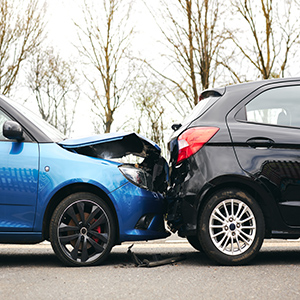
Rear-end collisions are the most common type of collision, not just in California but nationwide. Usually, the person who was rear-ended will be found to be not at fault, though that’s not always the case.
For example, if a driver pulls out into traffic at the last minute and is rear-ended, there would certainly be grounds for investigation to determine their comparative negligence, even though their vehicle was damaged from behind.
In contrast, if your vehicle has front-end damage exclusively, it can be much more difficult to determine that the vehicle in front of you shared any fault. This is when it will be especially important to canvass the incident scene for any video surveillance or witnesses who can corroborate your story.
Can Fault Shift Away From The Rear Driver In Rear-End Wrecks?
Yes, that is possible. In every incident, we’ll look for actions or behaviours beyond your standard duty of care and therefore beyond your control. It may be that you were paying attention and did everything you could, but it was impossible for you to keep from striking the vehicle in front of you.
One very common example is when you are hit from behind and pushed into the car in front of you. In that case, you shouldn’t be found liable for any rear damage that the vehicle sustains.
Another possible scenario in which blame could shift is if the other driver pulled out in front of you or changed lanes without warning, came to an abrupt stop, or ran out of gas on the freeway.
If there is anything more to your case than being distracted and not noticing the vehicle in front of you, you should seek legal counsel to ensure the facts are made clear.

Attorney Shawn Gozarkhah is a seasoned, respected personal injury attorney serving California. Since 2012, he’s helped clients just like you successfully navigate liability, evidence, and damages when impacted by a rear-end collision.
Have questions, or in need of legal help? Reach out to The Law Man Group, APC for an initial consultation today.
What Steps Should I Take Immediately After Being Rear-Ended In Traffic?
First, get the contact information for anyone who witnessed the incident. Canvas the scene for any potential businesses with cameras that might have caught the incident and any traffic cameras. Get all the information that pertains to the driver whose vehicle you came into contact with, including their driver’s license, insurance card, and phone number.
You should also take as many pictures of the scene of the wreck as possible, photograph where the other vehicle was when you first saw it, and take pictures of all the damage done to both vehicles.
What Types Of Damages Can I Recover In A California Rear-End Wreck Claim?
For a rear-end wreck, you can potentially receive damages to cover property damage to your vehicle; past, present and future medical expenses; lost wages; and damages to compensate you for pain, suffering, inconvenience, and any possible loss of consortium claims for your spouse.
How Long Does It Usually Take To Resolve A Rear-End Injury Claim In California?
Establishing liability in rear-end claims tends to be simpler and quicker than in other types of incidents. Still, the amount of time it takes for your case to settle will be dependent on your injuries, treatment trajectory, and the negotiations with insurance companies.
Still Have Questions? Ready To Get Started?
For more information on rear-end wrecks in California, an initial consultation is your next best step. Get the information and legal answers you are seeking by calling (818) 337-5214 today.
Attorney Shawn Gozarkhah is a seasoned, respected personal injury attorney serving California. Since 2012, he’s helped clients just like you successfully navigate liability, evidence, and damages when impacted by a rear-end collision.
Have questions, or in need of legal help? Reach out to The Law Man Group, APC for an initial consultation today.


